Mutual Benefit and Welfare: What Does It Look Like on the Mat?
Published by David J. Ellis
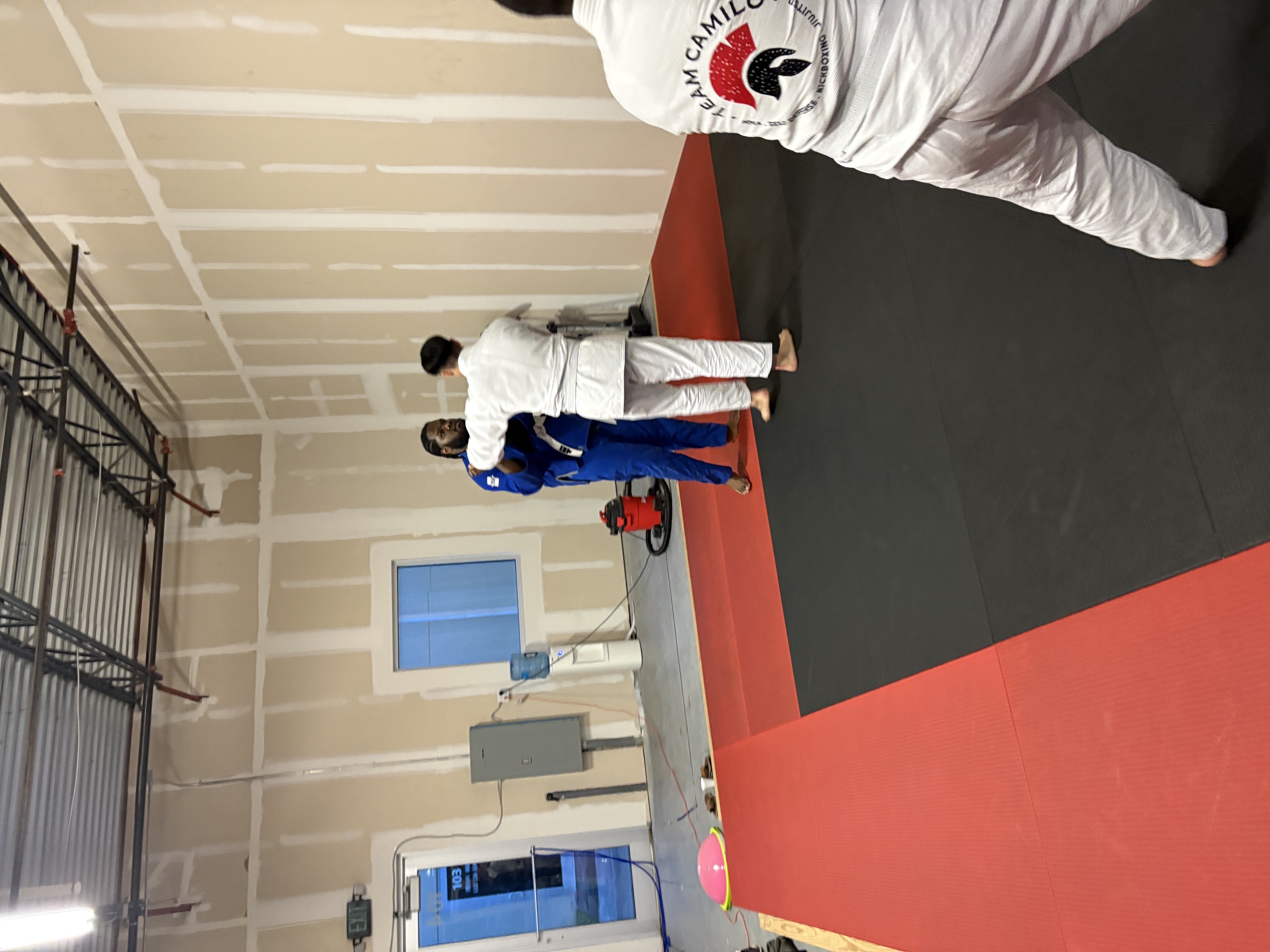
One of the principles of judo is Jita Kyoei, usually translated as mutual benefit and welfare. That can sound like a big philosophical idea, but you can see it during almost every judo class. Sometimes it is as simple as two students trying to learn a new throw together.
Learning a Throw Takes Two People
When I teach a throw for the first time, neither student should be trying to win. One student is tori, the person practicing the technique. The other is uke, the person receiving the technique. Both of them have a job to do.
Suppose two students are learning O Soto Gari for the first time. Tori is trying to remember the grip, how to break uke's balance, where to step, how close to get, and how to use the reaping leg. That's a lot to think about when you haven't done the throw before.
Now imagine uke stiffens both arms, leans backward, moves away, or deliberately makes themselves difficult to throw. Tori probably isn't going to learn very much. Nothing gets fixed that way.
They may start pulling harder or trying to muscle the throw. Their position may get worse because they're concentrating on overcoming uke's resistance instead of learning the technique correctly. That isn't what we want when someone is first learning.
Uke Is Learning Too
Being a good uke doesn't mean falling over before the throw happens. It means giving your partner an opportunity to practice the technique correctly.
I've also seen the opposite problem many times. Instead of resisting, uke goes completely limp. That doesn't help either. They stop maintaining their posture and make tori hold them up or try to move someone who is no longer standing naturally. That can make learning the technique more difficult too.
If tori is trying to learn a throw for the first time, they need a partner who gives them a realistic body position to work with. Uke should stand naturally, maintain their balance and posture, and allow tori to work through the mechanics of the throw. If something isn't right, tori gets another chance, and then another.
As tori becomes more comfortable with the movement, uke can gradually give a more realistic reaction. Eventually, the technique can be practiced during movement and later against resistance in randori. But resistance has to come at the right time.
They also don't need a partner going limp and making the movement unnatural. They need a partner who gives them the opportunity to learn how to make the technique work correctly.
Both Students Get Better
This is what mutual benefit looks like on the mat. Tori gets the opportunity to learn the throw. Uke gets to practice balance, ukemi, and what the throw feels like when it is done correctly.
Then they switch roles. The person who was just helping their partner learn becomes the person learning the technique themselves. Now their partner does the same thing for them.
Neither student improves alone.
There Is a Time for Resistance
None of this means judo should always be easy or that a training partner should never resist. Resistance is an important part of learning judo.
Randori is where students learn to apply techniques against someone who is moving, reacting, defending, and trying techniques of their own. But learning a new technique and testing that technique are two different things.
First, give your partner a chance to learn the movement. Let them work on the grip. Let them figure out the timing. Let them get comfortable with the technique first. There will be plenty of time later to make it difficult.
Judo Requires a Training Partner
I've been doing judo since 1975, and one thing becomes very clear after enough years on the mat. You cannot learn judo by yourself. Every throw I've practiced required someone willing to let me practice it. Every time I've been thrown, I've given someone else that same opportunity. That's part of what Jita Kyoei means to me.
Mutual benefit and welfare isn't something we only talk about when discussing the philosophy of judo. It happens when two people bow to each other and start practicing.
One person helps the other improve. Then they switch.
Now tori is uke.