Teaching Ippon Seoi Nage
Published by David J. Ellis
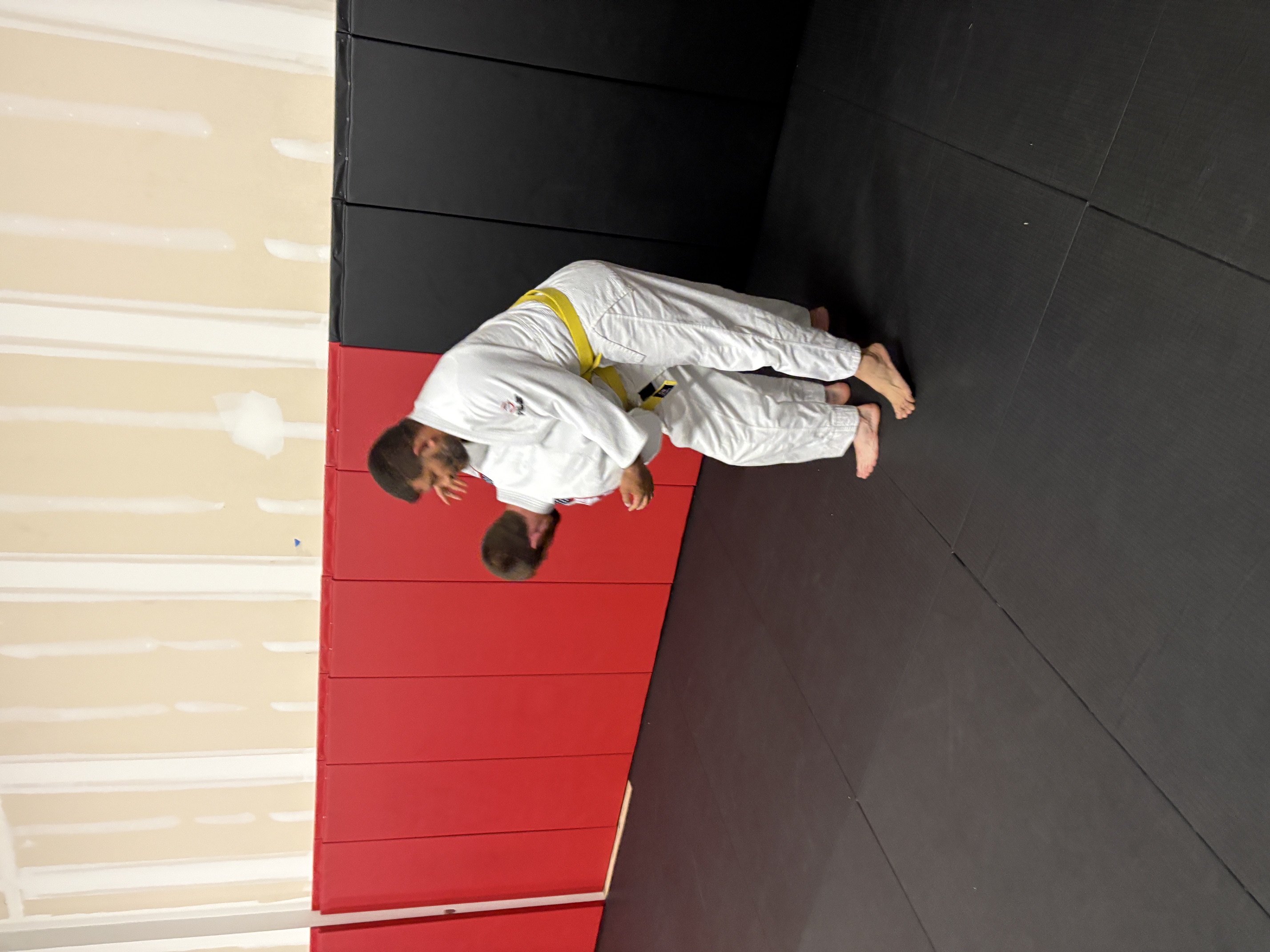
Ippon Seoi Nage (one-arm shoulder throw) is one of the first throws many students want to learn. It looks easy: Turn in, get the opponent’s arm over, throw.
Then, a beginner tries it, and their Uke (the one receiving the technique) puts a hand on the mat, or steps around, or ends up stuck on the hip, going nowhere.
What I see most is students worrying about the throw before they've built the position for it. They don’t consider Kuzushi (off balance or breaking balance), their entry, or the position and movement of their arms, knees, and feet. These things all determine whether the throw works.
Don't Jerk When Doing Kuzushi
Don't jerk Uke's sleeve up and forward. When you jerk, Uke's natural reaction is to move backward, which is the opposite of where you want to go. The pull needs to be controlled. You're moving Uke's balance, not seeing how hard you can pull.
Don't Walk Into Uke
Once Uke is off balance, don't run into them. If you do, you put Uke back on balance, and you lose your own position coming in. You have to get to the throwing position without bumping into your partner. Bring Uke to you.
Don't Bend Over
Another thing I see with beginners is that they come in bent over, sticking their rear end back. That just pushes Uke backward, which causes them to go in the wrong direction.
Come in with your back straight and head over hips. Don't lean forward and push Uke away.
Crook of the Arm in Uke's Armpit
As you come in, the back of your hand goes against Uke's hip or stomach. From there, your hand and arm move upward until the crook of your arm is in Uke's armpit. With the crook of the arm in the armpit, you have control of Uke's shoulder.
Don't put Uke's arm on your shoulder. The goal is to get your body and arm in the right place to control Uke as you turn.
To finish, rotate your right shoulder toward your left knee and look behind you to that side. Don't stop after the entry. If you throw in the other direction, it reverses: left shoulder toward the right knee.
Bend Your Knees On the Way In
As you come in, bend the knees, not the waist. If you wait to do this until you're in position, Uke has time to react, and a lot of times they bend their knees too. Now, both people are going down.
Feet Should Be Shoulder Width Apart
Keep your feet about shoulder width apart. Not wider.
I was refereeing a national tournament when a player came in for Ippon Seoi Nage with her legs spread far apart. She turned in, dropped her opponent off to the side, and went down on her own knee, causing injury.
A wide stance can feel stable, but it isn't. You lose power in your legs, and when the throw goes to the side, your knee takes the load.
Think of it this way: Draw lines forward from Uke's feet. Your feet should be between those lines and underneath you.
Where the Power Comes From
Don’t lift Uke with your arms. Your arms help set the position, but your legs and body movement do the throwing. If your feet are too wide or you're standing too tall, you can't use your legs.
Practice
Beginners won't get all of this the first time. There are a lot of details to consider. If you are struggling, figure out why of the mechanics rather than pulling harder or moving faster.
If you know why the pull matters, why you can't walk into Uke, and why your knees and feet go where they go, you stop memorizing steps and start making the throw work. As a teacher, that's what I'm looking to do: help you understand why the throw works.