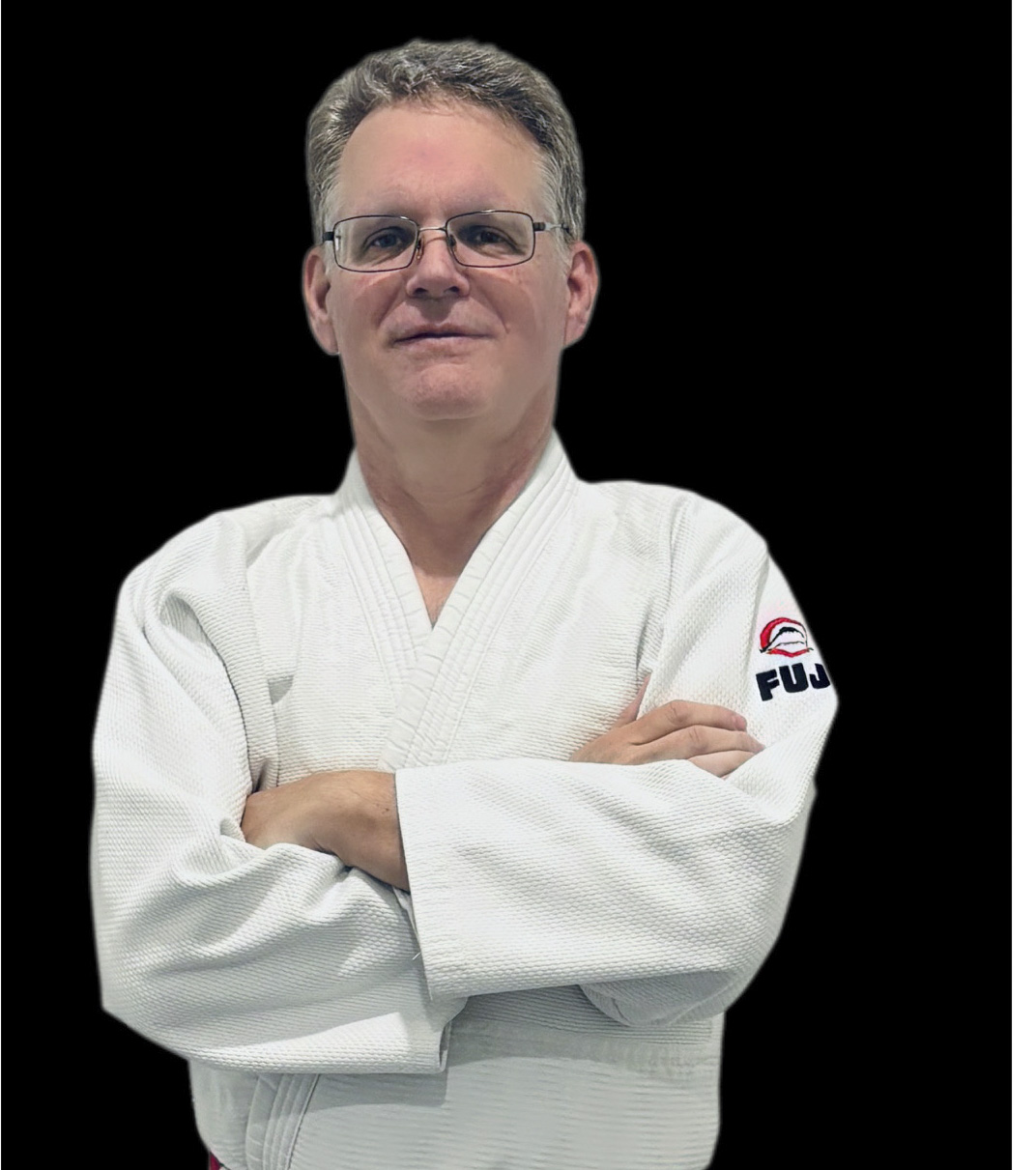
What 51 Years of Judo Has Taught Me
Published by David J. Ellis
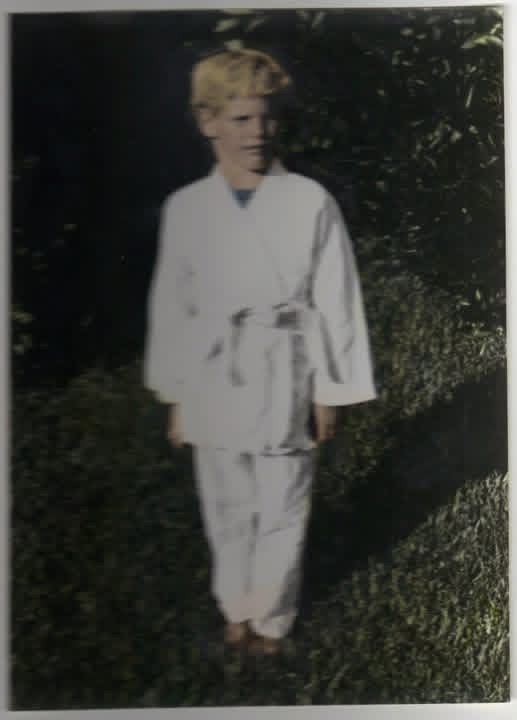
I began taking Judo classes in June 1975. It wasn’t because I had big dreams of becoming a great Judo player. I wanted to find a way to spend more quality time with my dad.
My dad, John R. Ellis, had done Judo in college and was getting back into it. My mom thought it was a great idea and decided to join too. So the three of us started going to the Judo club at Patrick Air Force Base.
I was the only kid in the class.
The next youngest person was actually our teacher, Patty McMahon, who was only around 18 years old.
I was a kid surrounded by grown-ups, and I had no idea what I was doing.
And I was clumsy.
I still remember the first time I walked onto the mat. I fell down three times.
Not being thrown. Just walking.
I obviously had a lot to learn.
But I kept coming back.
I’ve been doing Judo for more than 51 years now, and I’m still at it.
Looking back, it’s hard to believe how much that first step would lead to. I had no idea Judo would become such a big part of my life.
You Don’t Have to Be Good When You Start
One thing I’ve noticed over the years is how frustrated new students can become when they don’t pick up Judo right away. Sometimes they expect to be good from the beginning.
That’s not how it works.
When you step onto a Judo mat for the first time, you’re probably not going to know what you’re doing. I certainly didn’t.
You try something. It doesn’t work. You figure out what went wrong and try it again.
Sometimes you fall.
That’s part of Judo.
The important thing is to keep learning.
Strength Isn’t Always the Answer
I’ve been teaching Judo for more than 46 years, and I’ve seen that people learn in very different ways.
When women train with men who are stronger than they are, I’ve sometimes seen them make very quick technical progress. They learn that they can’t rely on strength alone.
When you’re working with someone bigger or stronger than you, you quickly learn that trying to muscle your way through a technique isn’t always going to work. You have to find another way.
You start paying more attention to positioning, timing, grips, and balance. You begin to figure out what actually makes the technique work.
I’ve noticed that some guys tend to do the opposite. When things aren’t going their way, their first response is often to use more strength.
Sometimes that works.
But eventually you have to ask yourself a different question:
What can I change about my technique?
That’s one of the things I like about Judo. You learn to solve problems without always relying on strength.
Strength helps, but it can’t replace technique.
Your Judo Changes as You Get Older
When you’re young, you can get away with things that become harder to get away with as you get older.
You’re quicker, stronger, and you recover more easily.
At some point, you have to become smarter about how you train.
I don’t want to fight somebody’s strength with my strength. I’d rather use timing, positioning, and technique.
My Judo has changed as I’ve gotten older. I believe that’s one reason Judo can be a lifelong activity. You don’t necessarily have to give it up as you age; you have to adapt the way you practice it.
Teaching Has Taught Me a Lot
I began teaching Judo in 1980, and my father was the one who guided me.
I’ve spent more than 46 years teaching, and I’ve learned that being good at something and being able to teach it are not the same thing.
You find that out when someone asks you a question.
You can do something hundreds of times without thinking about every detail. Then a student asks:
"Why does my foot go there?"
"What happens if they do this?"
"Why isn’t it working when I do it?"
Those questions make you stop and think.
Sometimes you realize that you know how to do something, but you’ve never really thought about why you’re doing it that way.
And sometimes a student asks a question that makes you look at a technique differently.
I’ve learned a lot from my students over the years. That’s one of the things that keeps teaching interesting. You never quite know what question is going to come next.
Not Everything Works the First Time
I’ve had plenty of things not work out over the past 51 years.
Techniques that didn’t work. Competitions that didn’t go the way I wanted. Students who struggled with something I thought would be easy to explain.
That’s Judo.
If something doesn’t work, you have to figure out why.
Maybe your timing was off. Maybe your position was wrong. Maybe you were trying to force something that wasn’t there.
So you make an adjustment and try again.
I’ve lost count of how many times I’ve done that.
The People Are a Big Part of Judo
When I think about my 51 years in Judo, I don’t just think about techniques, competitions, belt promotions, or refereeing.
I think about people.
My father.
My mother.
My sister.
My son.
My instructors.
My training partners.
My students.
And the friends I’ve made along the way.
Some friendships have lasted more than 35 years.
I’ve known Dr. Andre Merrill through a lot of years and a lot of Judo, and I’m glad that friendship has lasted this long.
People move. Life changes. You don’t always train together anymore. But some friendships stick.
That’s one of the things I really like about Judo.
Judo is a one-on-one sport, but you can’t practice it alone. There is always someone across the mat from you. You depend on each other to learn, practice, improve, and sometimes simply get through a difficult workout.
Someone you start out training with can eventually become a very good friend.
For me, it all started because I wanted to spend more time with my dad.
I had no idea what I was getting myself into.
Why I’m Still Doing Judo
Even after more than 51 years, I don’t feel like I’ve learned everything there is to learn about Judo.
I don’t think I ever will.
There is always something new to learn. It might be a technique, a small detail, or a question from a student that makes you look at something differently.
That’s what keeps it interesting.
That clumsy kid who walked onto the mat in 1975 had no idea where Judo would take him.
That one decision eventually led to more than 51 years of practicing Judo and more than 46 years of teaching it. Along the way, I’ve competed, refereed, taught, tested, and learned from many instructors and students. I’ve also made friendships that have lasted for decades.
I couldn’t have planned any of that when I walked onto the mat in 1975.
Doing Judo for more than 51 years has taught me one important thing, and it’s actually quite simple:
You have to start somewhere.
You don’t have to be good when you start.
You don’t have to know what you’re doing.
You just have to start.
I was certainly no good when I started.
I’m glad I kept coming back.
And after 51 years, I’m still learning.
It’s never too late to start.