What to Expect at Your First Judo Class at Brevard Judo Academy
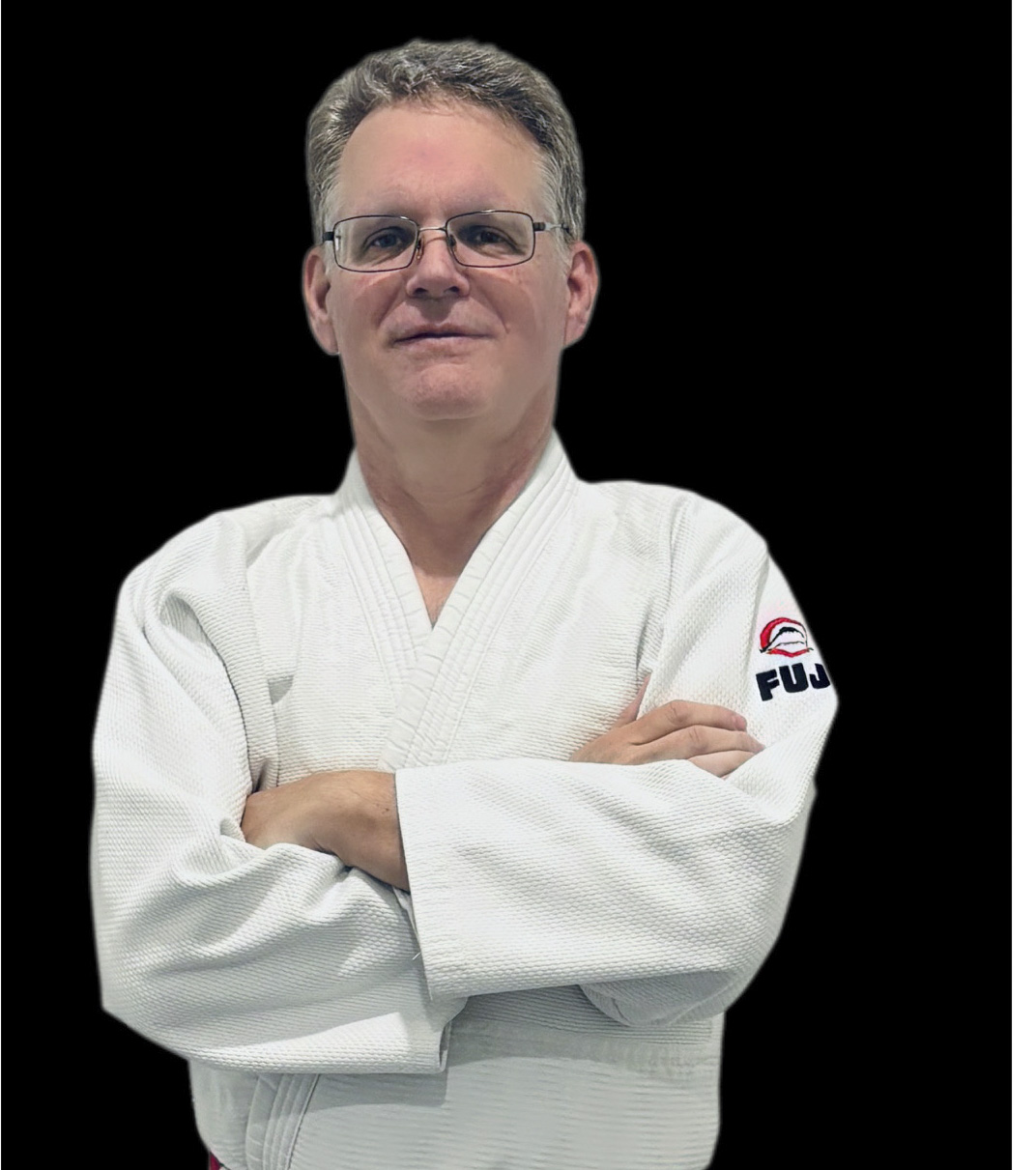
Published by David J. Ellis
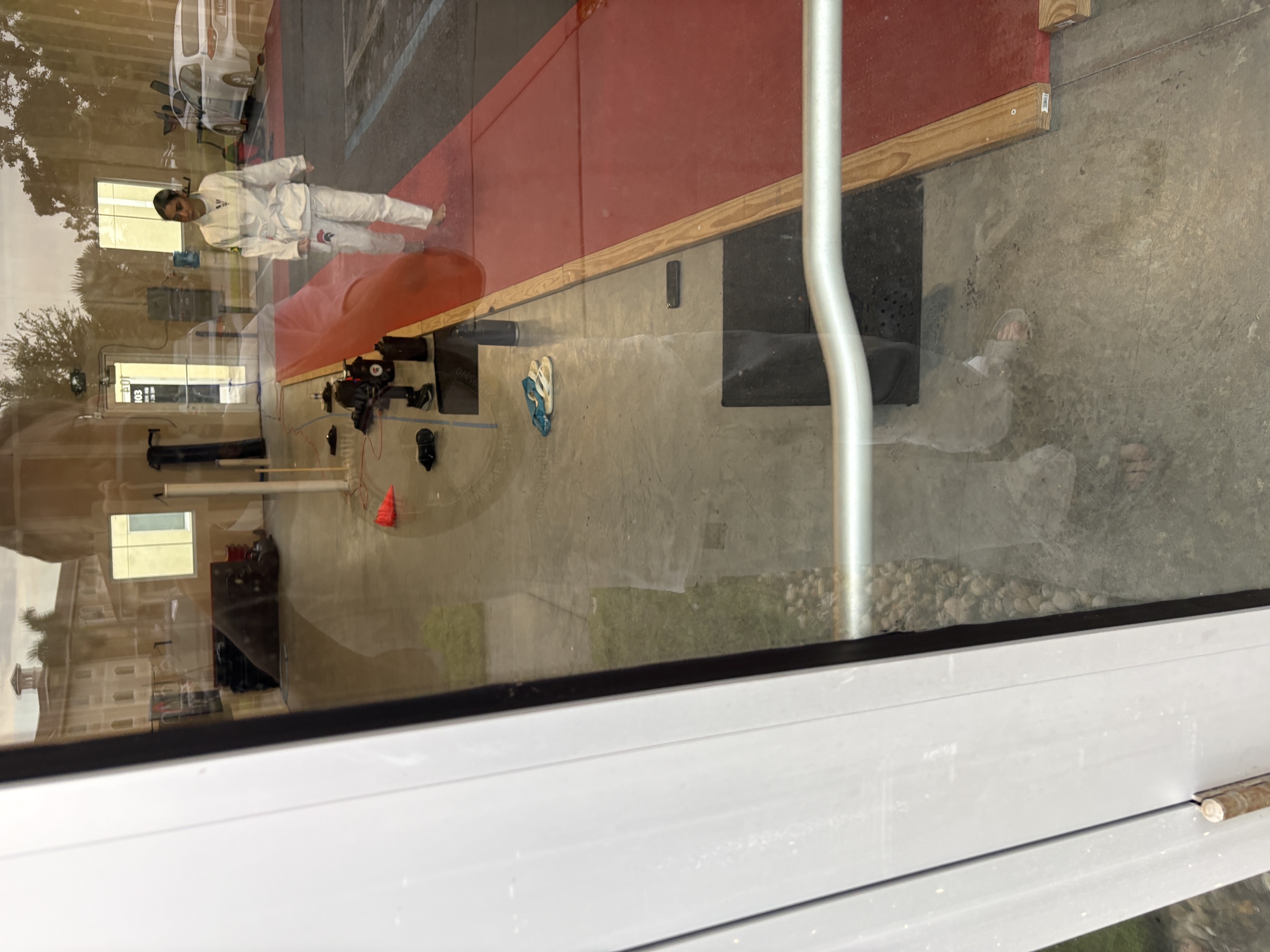
Every week I meet someone standing in the doorway of the dojo who hasn’t decided whether to walk in yet. They’re watching the class through the window, trying to figure out if they’re about to make a fool of themselves.
You won't, and here is why.
Most Likely You Won’t Be Thrown on Day One
I started training in June of 1975, and I still remember standing in that same kind of doorway myself. Nobody threw me across the room that first day. I didn’t even know what a throw looked like yet.
Your first class, and probably your first several, will focus on movement, balance, and ukemi (falling), learning how to fall safely before you ever start worrying about throwing someone. Once a student knows how to fall, they stop worrying about falling, and that’s when they can actually start learning judo.
We’d rather spend two or three classes making sure someone can hit the mat safely than rush them into something they’re not ready for. Every once in a while an instructor will see someone picking it up fast and genuinely wanting to try more. That’s the exception, and it only happens when we think they’re ready.
Judo isn’t just what happens on the mat, either. You learn to be patient with yourself and deal with setbacks without panicking. Those habits tend to show up in the rest of your life too.
You Don’t Need to be in Shape
Show up in a t-shirt and athletic shorts or sweatpants. Nothing with zippers or pockets, those can catch a finger. Bare feet. That’s it.
If judo turns out to be for you, we’ll talk about a judogi later. Plenty of students train for their first several weeks before they ever buy one.
I had a student in his fifties come in who hadn’t worked out regularly in years. He told me on the way in that he was mainly worried about being thrown by someone he’d just met. We started him the way we start everyone: movement and balance first, nothing else. About halfway through class he landed his first breakfall and just started laughing on the mat, surprised he’d actually done it.
He kept coming back. A few months in, he told me the training had done more for his conditioning than any gym membership he’d ever paid for.
Inside a Typical Class
A typical class runs through a few stages. We start with ukemi, then move into drills to get everyone moving. A lot of our students come straight from the BJJ class before us, so they’re often already warmed up.
Then comes technique. We’ll break down a throw, a grip, or a movement step by step. It’s the same way I broke down O Soto Gari (Major Outer Reap) for my students recently: gripping, positioning, balance, before the throw ever enters the picture.
Then guided practice, working the technique slowly with a partner while an instructor watches. Newer students are never put into free sparring, or randori, without the fundamentals first.
The Bow Isn’t a Big Deal
You’ll notice a lot of bowing: onto the mat, to your partner, at the start and end of class. It looks formal, but it’s simple once you understand it. It’s how judo shows respect: for the training space, and for the person who’s about to let you practice on them.
You don’t need to know the customs walking in. Just watch, follow along, and it’ll make sense within a class or two.
No One Is Judging You
The adults already training with us remember what their first class felt like. Nobody in that room is going to think less of you for not knowing a throw from a hold. If anything, they’ll want to help you get it.
Judo isn’t just about throwing someone. A lot of it is working with your partner and being patient with yourself while you’re both figuring it out.
The Only Requirement
Show up. That’s it. The technique, the terminology, and the confidence all come with time and mat hours. None of that is something you need to have figured out beforehand.
If you’ve been thinking about trying judo but aren’t sure where to start, we’d love to meet you. Whether your goal is fitness, learning traditional Kodokan Judo, building confidence, or just trying something new, we welcome beginners of all experience levels. Claim a free trial class and come see for yourself. I’ll see you on the mat.